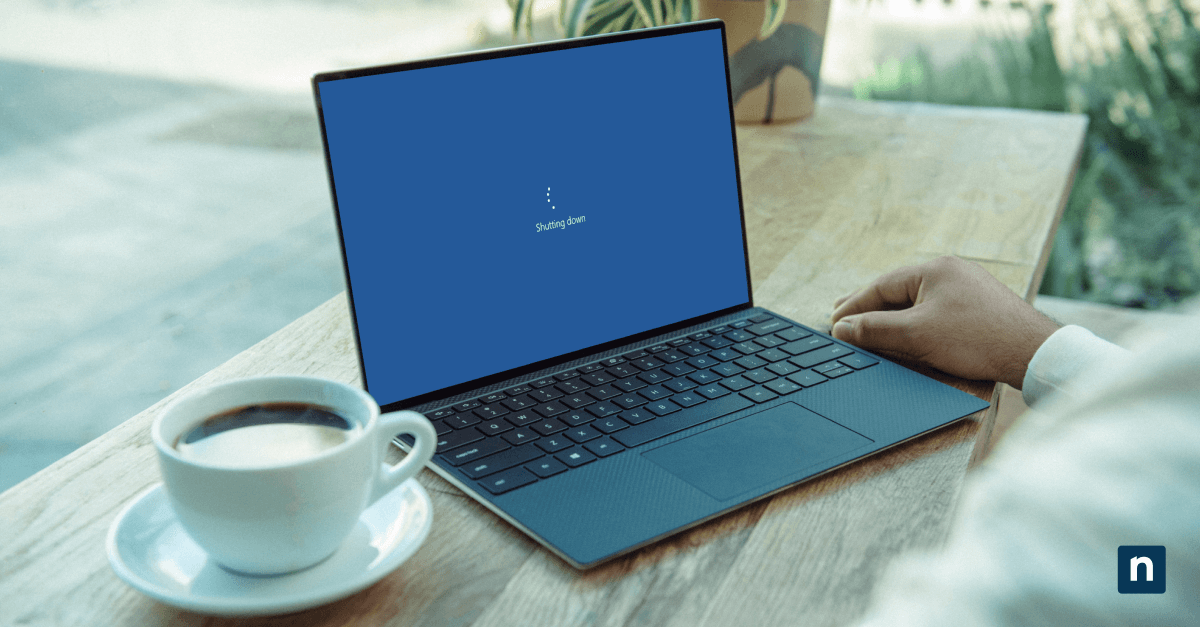
Microsoft Surface Pro has a haptic touchpad that uses precise vibrations to mimic the feel of physical clicks, as with similar Surface devices. It gives users the satisfying tactile feedback that comes with a traditional mouse click.
This game-changing technology allows you to fine-tune its click force sensitivity according to your personal preferences. You can reduce or increase its sensitivity to reduce finger strain and improve accessibility. You can also use this configuration to standardize the user experience within your IT environment.
This guide discusses how you can adjust the touchpad haptic click sensitivity on Microsoft Surface devices.
A step-by-step guide to adjusting haptic touchpad sensitivity on Microsoft Surface Pro devices
📌 Prerequisites:
- Device compatibility: The methods listed below will only work on Microsoft Surface Devices with Precision Haptic Touchpads (e.g., Surface Laptop Studio and Surface Pro 9 with keyboard).
- Operating system: Your device should run on Windows 11.
- Administrative rights: You must log in as an administrator to access Registry and PowerShell.
- Updates: You should have the latest firmware and Precision Touchpad drivers installed on your device.
📌 Recommended deployment strategies:
| Click to Choose a Method | 💻
Best for Individual Users |
💻💻💻
Best for Enterprises |
| Method 1: Via the Settings App | ✓ | |
| Method 2: Using Registry Editor | ✓ | ✓ |
| Method 3: Using PowerShell | ||
| Method 4: Via Group Policy Preferences |
⚠️ Important: The setting will not affect non-haptic or older mechanical touchpads.
Method 1: Adjusting haptic sensitivity via the Settings App
📌 Use Case: This method is best for quick sensitivity adjustments and support desk walk-throughs.
- Press Win + I to open the Settings app.
- Navigate to Bluetooth & devices > Touchpad.
- Under Touchpad, select Taps and clicks or expand the Haptic feedback section.
- Using the Click sensitivity slider, adjust the required force to your preferences:
- Range: 0 (lightest press) to 100 (firmest press)
- Default: 50
- Changes will be applied immediately.
Method 2: Changing sensitivity using Registry Editor
📌Use Case: This method automates sensitivity adjustments across multiple devices.
-
Registry Key Path:
HKEY_CURRENT_USER\Software\Microsoft\Windows\CurrentVersion\PrecisionTouchPad
-
To apply:
-
- Press Win + R, type regedit, and press Enter.
- Navigate to the key path above.
- Right-click the right panel and choose New > DWORD (32-bit) Value.
- Double-click the value and set:
- Base: Decimal
- Value: Any number between 0 and 100
- Close the Registry Editor.
- Sign out of your computer and back in, or reboot to apply.
Method 3: Using PowerShell to apply registry configurations
📌 Use Case: This method automates and deploys registry configurations on multiple devices.
Set registry value:
Set-ItemProperty -Path "HKCU:\Software\Microsoft\Windows\CurrentVersion\PrecisionTouchPad" `
-Name "ClickForceSensitivity" -Value 30 -Type DWord
Adjust the -Value parameter to your desired sensitivity level (0-100). The higher the value, the harder you need to press.
💡 Note: This setting only applies to individual users; for all users, you must implement it via login scripts or Group Policy (GPO).
Method 4: Deploy via Group Policy Preferences (Advanced)
📌Use Case: This method supports central enforcement in domain-joined environments.
There’s no dedicated GPO setting for Precision Touchpad haptic feedback, but you can deploy the configuration using Group Policy Preferences.
- Open Group Policy Management Editor.
- Navigate to User Configuration > Preferences > Windows Settings > Registry.
- Right-click and choose New > Registry Item.
- Configure the following:
- Action: Update
- Hive: HKEY_CURRENT_USER
- Key Path: Software\Microsoft\Windows\CurrentVersion\PrecisionTouchPad
- Value: ClickForceSensitivity
- Value Type: REG_DWORD
- Value Data: e.g., 60
- Apply the GPO to your target user groups.
Additional notes on adjusting the haptic touchpad sensitivity
- Haptic feedback adjustments are user-profile specific. If multiple users sign in on a shared device, they must configure the setting individually or receive registry updates.
- Setting the haptic feedback sensitivity to an extremely low value may lead to unintended clicks.
- The setting will not affect non-haptic or older mechanical touchpads.
Troubleshooting touchpad haptic sensitivity configurations
- The Click sensitivity option is missing from the Settings app. Make sure your device has a Windows Precision Touchpad and check that its Windows versions and drivers are up-to-date.
- The configuration isn’t working. Some registry entries or third-party tools can interfere with your touchpad’s settings, so it’s recommended that you look for any conflicting entries or third-party apps that might override your configurations before making any changes.
- The changes have not been applied. Restart your system or sign in/out after making registry or PowerShell changes to ensure your changes have been applied. If you’re still unsure, use the Get-ItemProperty cmdlet in PowerShell to double-check if the value was set properly.
⚠️ Things to look out for
Keep these pitfalls in mind when following our guide:
| Risks | Potential consequences | Reversal |
| Running Registry or PowerShell without admin rights. | Registry changes may silently fail or not apply at all. | Make sure you log in as an administrator before running Registry or PowerShell. |
| Incorrect registry configuration | Adding the wrong keys to the Registry can cause system instability. | Back up your registry before making any changes. |
| Registry conflicts and third-party tool interference. | Some registry entries and third-party apps may override your touchpad settings. | Look for registry values or third-party software that may interfere with your adjustments. |
Personalize your Microsoft Surface device by changing the touchpad haptic click sensitivity
Adjusting the haptic click sensitivity of your touchpad is one easy way to personalize your Microsoft Surface device to your working style. Whether you want to reduce finger strain during long periods of use or prevent accidental clicks, you can easily configure your haptic touchpad’s sensitivity via the Settings app.
You can also use scripts and Group Policy Preferences to standardize the touch behavior of your organization’s Microsoft Surface fleet.
Related topics: