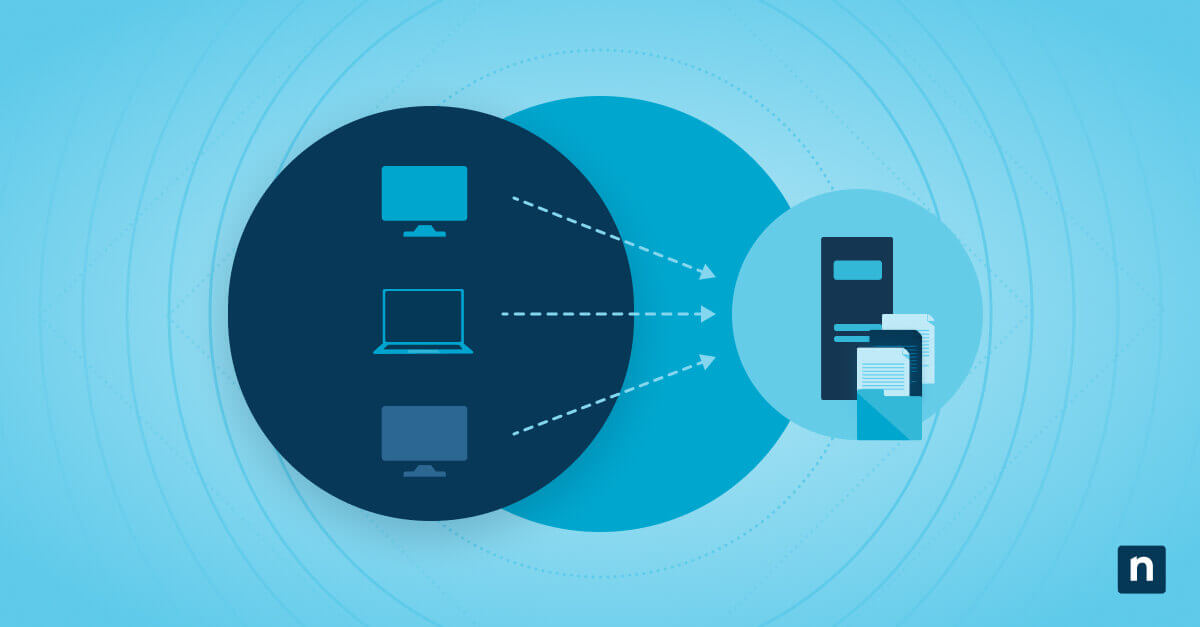
The Microsoft Defender Application Guard (MDAG) is a security feature in Windows 11 that protects your computer from malware and other viruses. It allows you to browse unsafe websites and files inside a virtualized container.
Think of it this way: each time you open a suspicious website, the Application Guard quarantines it in a secure room to keep your device and network safe from any potential threats it carries.
To prioritize security, the advanced graphics in these virtual machines are disabled by default. However, users can turn them on for a better browsing experience.
This article will explain how to enable or disable the advanced graphics in Application Guard.
A step-by-step guide to configuring the advanced graphics settings in Application Guard
📌 Prerequisites:
- Operating System: Your computer should be running on Windows 11 Pro, Education, and Enterprise editions.
- Administrative Rights: You need administrator privileges to access the Registry Editor and Group Policy Editor.
- Application Guard: You need to ensure the Application Guard is installed and enabled on your computer. For detailed steps on how to do this, you can check out this official Microsoft guide on testing Application Guard.
📌 Recommended deployment strategies:
| Click to Choose a Method | 💻
Best for Individual Users |
💻💻💻
Best for Enterprises |
| Method 1: Using Windows Security Settings | ✓ | |
| Method 2: Using Registry Editor | ✓ | ✓ |
| Method 3: Using Group Policy Editor | ✓ |
💡 Note: Microsoft Defender Application Guard (MDAG) has been deprecated for Microsoft Edge for Business and will no longer be updated. Starting with Windows 11 version 24h2, it is no longer available for Edge.
Method 1: Using Windows Security Settings
📌 Use Case: This method is ideal for individual users who want to make quick configurations to their personal computers.
- Open Window Security by searching for it in the Start menu.
- Navigate to App & browser control.
- Under Isolated browsing, select the Change Application Guard settings.
- Toggle the Advanced graphics option to On or Off.
- If prompted by User Account Control (UAC), select Yes to approve.
- Restart the computer to apply the changes.
Method 2: Using Registry Editor
📌 Use Case: This method is best for IT administrators who need to apply a specific setting across multiple devices and users who are comfortable with making advanced configurations.
- Press Win + R, type regedit, and press Enter to open the Registry Editor.
- Navigate to: HKEY_LOCAL_MACHINE\SOFTWARE\Microsoft\Hvsi
- In the right pane, look for the EnableVirtualGPU DWORD value.
- If the value does not exist, create it by right-clicking on the right pane, selecting New > DWORD (32-bit) Value, and naming it EnableVirtualGPU.
- Set the value to:
- 1 = Enable advanced graphics
- 0 = Disable advanced graphics
- Close the Registry Editor.
- Restart the computer to apply the changes.
⚠️ Warning: Editing the registry can have unintended consequences. Proceed with caution and make sure to back up the registry before making any changes.
Method 3: Using Group Policy Editor
📌 Use Case: This method is recommended for enterprise deployment.
- Press Win + R, type gpedit.msc, and press Enter to open the Local Group Policy Editor.
- Navigate to: Computer Configuration > Administrative Templates > System > AppContainer.
- Double-click on Configure Application Guard container graphics.
- Select Enabled.
- Under Options, choose Advanced from the Graphics virtualization level dropdown menu.
- Click Apply, then OK.
- Restart the system to apply the changes.
How to verify if the advanced graphics setting in Application Guard is on
Once you’re done, you need to make sure the advanced graphics setting in Application Guard is enabled. Here’s how:
- Open Microsoft Edge in Application Guard mode.
- Browse multimedia-rich websites to check if the graphics performance has improved.
- Monitor your system’s performance and responsiveness within the isolated container.
⚠️ Things to look out for
Keep these pitfalls in mind when following our guide.
| Risks | Potential Consequences | Reversal |
| Reduced isolation levels | Weakens your system’s security, leaving it more vulnerable to advanced threats. | Use your preferred method to disable the advanced graphics feature. |
| Incorrect registry configuration | Adding the wrong keys to the Registry can cause system instability. | Back up your registry before making any changes. |
| Disabled hardware visualization features (e.g., Intel VT-x and AMD-V) | Application Guard may fail. | Check your system’s BIOS settings if its hardware visualization features are enabled. |
| Outdated system drivers | Outdated graphics drivers may cause poor performance or display issues. | Update your computer’s graphics driver via Windows Update or the manufacturer’s website to ensure optimal performance. |
Troubleshooting common graphics configuration errors in Application Guard
If you’re having trouble with the advanced graphics setting, here’s what you need to do:
If the Advanced graphics option is not available
- Check if your computer fits the prerequisites mentioned in our guide.
- Make sure that the Microsoft Defender Application Guard is installed and enabled.
If the changes are not taking effect
- Verify if the registry or group policy settings have been configured properly.
- Make sure you restart your computer after making any changes to its settings.
Enjoy a better and safer browsing experience by toggling the advanced graphics setting in Application Guard
Balancing performance and security is vital in maintaining a strong and reliable IT infrastructure. Enabling advanced graphics in Application Guard can improve the quality of your browser’s display, but it can also weaken your network’s overall security. Learning how to toggle this setting is one easy way to achieve a safe and visually rich browsing experience in Windows 11.
Related topics: